
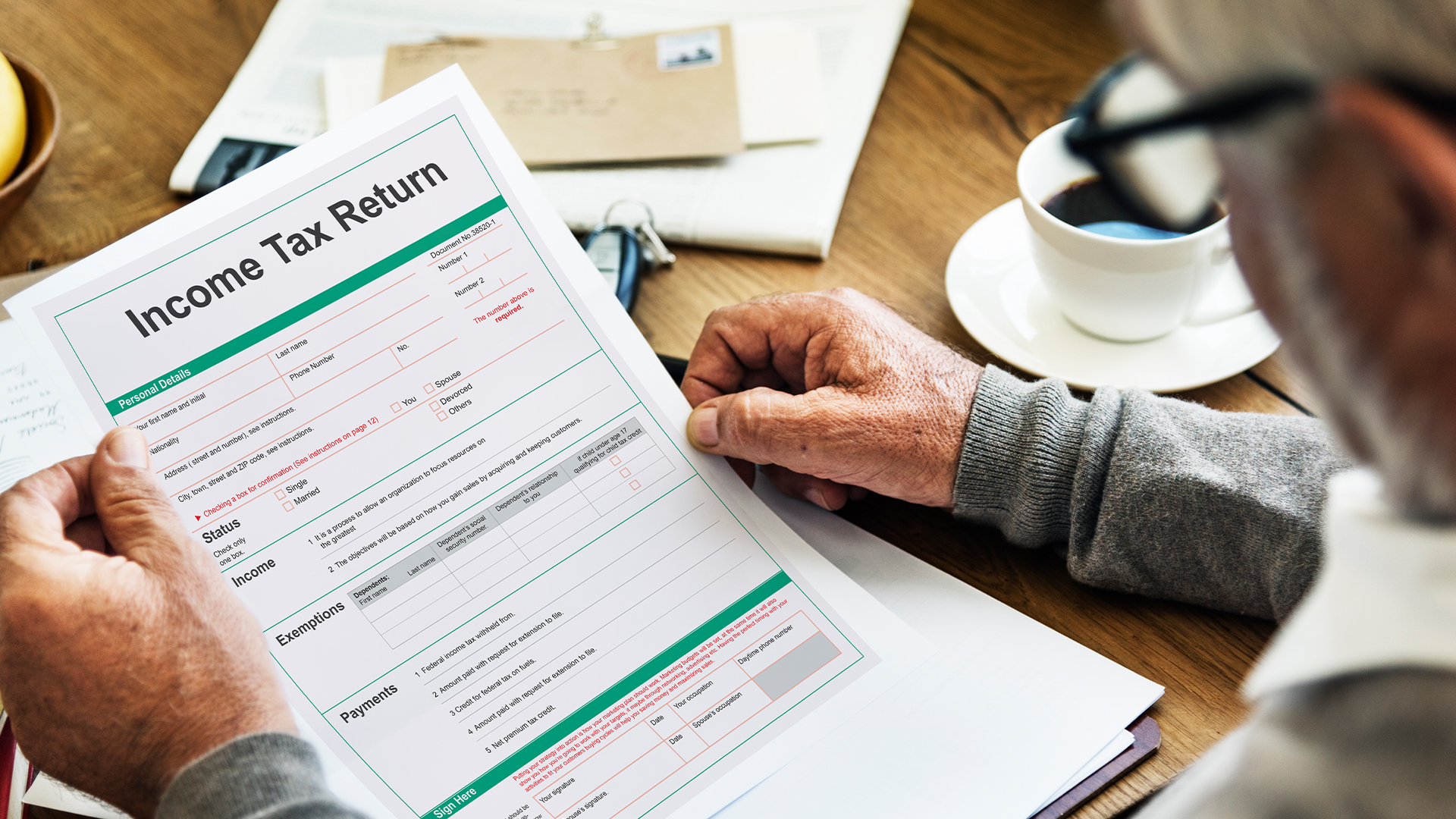
Yes, for most Australians it is worth getting an accountant for a tax return, especially once your situation goes beyond a single salary and a few standard deductions. A registered tax agent usually charges $100 to $250 for a simple individual return, the fee itself is tax deductible, and in practice the deductions found plus the errors avoided tend to cover the cost.
That is not true for everyone. If you earn one salary, have no investments, and claim almost nothing, the free ATO myTax system may be all you need. The rest of this guide walks through the real numbers, what an accountant actually changes, and how to tell which group you fall into. Around 9.8 million Australians already lodge through a tax agent each year, so the default for most people is professional help rather than going it alone.
Should you hire an accountant or lodge your own tax return?
Hire an accountant when your return has moving parts, and lodge it yourself when it genuinely does not. That single test settles most of the decision.
Lodging yourself through myTax makes sense when you have one employer, no rental property, no share or crypto sales, no business or side income, and only basic work deductions. The data is pre-filled, the process is free, and an accountant would mostly be confirming what you already know.
Bring in a registered tax agent when any of the following apply: you run a business or work as a sole trader, you own an investment property, you sold shares, crypto, or property during the year, you changed jobs and received a redundancy or termination payment, you have foreign income, or you simply are not confident you are claiming everything you are entitled to. In our practice, this is where clients most often leave money on the table when they self lodge, usually by missing depreciation on a rental, getting the capital gains discount wrong, or under claiming work related expenses. For a deeper comparison, see our guide on online tax services vs local accountants.
How much does a tax accountant cost in Australia?
A simple individual tax return through a registered tax agent typically costs $100 to $250 in 2026, and the fee is fully tax deductible on next year’s return. More complex work costs more because it takes more time and carries more risk.
Here is what the market looks like across common return types:
| Return type | Typical 2026 fee |
| Simple individual return (one income, basic deductions) | $100 to $250 |
| Individual with rental property or capital gains | $250 to $500+ |
| Sole trader or ABN holder | $300 to $800 |
| Company (Pty Ltd) return with financials | $1,500 to $2,500 |
The fee you pay a registered tax agent is deductible under section 25-5 of the Income Tax Assessment Act 1997. You claim it the following year at label D10, “cost of managing tax affairs,” so a $220 fee reduces your taxable income and part of it effectively comes back to you. We break the numbers down further in our dedicated guide on the cost of an accountant for a tax return in Australia. Prices also vary by location, with Melbourne and Sydney generally sitting above regional areas.
Can an accountant get you a bigger refund or save you money?
An accountant can increase your refund when you have deductions or offsets you were not claiming correctly, but no honest accountant guarantees a bigger refund. The gain comes from accuracy and knowledge, not from inflating claims.
Where a registered tax agent genuinely moves the number is in the details a lot of self lodgers miss: full depreciation schedules on investment properties, the correct application of the capital gains tax discount, home office and vehicle methods that actually maximise the claim, prepaid expenses, and offsets you may not know exist. On a business or investment return, getting the structure and timing right can save far more than the fee. On a very simple return, the honest answer is that an accountant may not change your refund much at all, and the value is accuracy and time saved rather than extra dollars. For year round savings, our tax planning checklist for individuals and sole traders shows where the bigger opportunities sit.
What a tax accountant actually does
A tax accountant prepares and lodges your return, but the real job is interpreting your situation, applying current tax law correctly, and standing behind the lodgement. That is the part software cannot replicate.
In practice the work includes reviewing your income and records, identifying every deduction and offset you legally qualify for, applying rules that change each year, flagging anything likely to attract ATO attention, and lodging as your registered agent. A registered tax agent also carries professional responsibility for the return and can deal with the ATO on your behalf if questions arise later. Using an agent usually gives you a later lodgement deadline than the 31 October self lodger cutoff, which matters if your records take time to pull together. If you want to see the strategic end of the role, read what a chartered tax advisor actually does and when you need one, and to lodge cleanly, our lodge your tax return guide covers the documents you need.
When do you actually need an accountant?
You need an accountant when the cost of getting your return wrong is higher than the fee, and when your situation involves rules most people do not track day to day. A few clear signals tell you it is time.
You should engage a registered tax agent if you run a business or are a sole trader, own one or more investment properties, sold assets that trigger capital gains, have multiple income sources, received a redundancy or employment termination payment, hold foreign income or assets, or are behind on lodging and need to catch up. These are also the situations where a mistake is most expensive, and where the common errors quietly cost real money, as we set out in our guide on tax return filing deadlines, documents, and the mistakes that cost money. If you decide to hire one, our list of questions to ask your accountant before tax season helps you choose well.
Is tax software as good as using an accountant?
Tax software is excellent for simple returns and weaker for complex ones, because it can only work with what you enter and the rules it has been programmed to apply. It does not ask the follow up questions a good accountant asks.
For a single salary and standard deductions, myTax or commercial software will usually get you the same result an accountant would, at little or no cost. The gap appears once judgement is involved: deciding whether an expense is deductible, choosing the best depreciation or vehicle method, handling a property sale, or spotting that something you entered will raise a red flag. Software will not tell you about a deduction you did not think to claim, and it will not defend the return if the ATO asks. That is why many people who could technically self lodge still choose an agent once they own property or run a business. Our comparison of why local businesses choose an accountant over generic tax software explains where the line usually falls.
Weighing the benefits and drawbacks
The benefits of hiring an accountant are accuracy, maximised deductions, time saved, a later lodgement deadline, ATO support, and a deductible fee. The main drawback is the upfront cost, which only stings when your return is simple enough not to need one.
The strongest reasons to use a registered tax agent are that they apply current law correctly, find deductions and offsets you may miss, reduce your audit and error risk, save you hours of admin, and take responsibility for the lodgement. The trade offs are real too: you pay a fee, you still need to gather your records, and for a very basic return the professional may not improve your refund enough to justify the spend. The sensible way to read this is by situation. If your return is simple, self lodging is reasonable. If you have property, business income, capital gains, or any uncertainty, an accountant almost always pays for itself in accuracy, time, and peace of mind. For help choosing the right one, see how to choose a tax accountant near you without getting burned or explore our taxation services in Melbourne.


