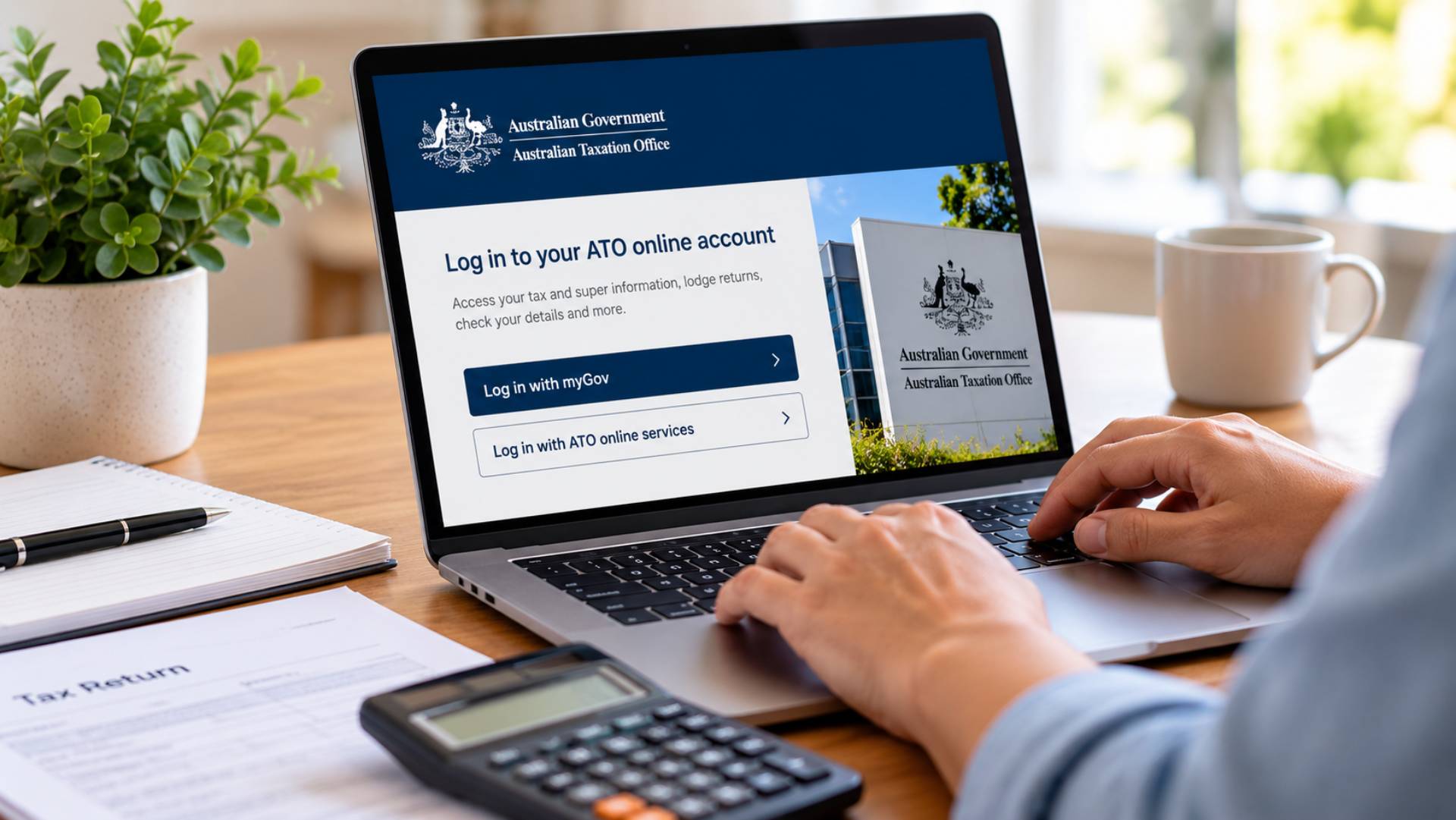
There is no single best accounting tool for tax returns, because the right one depends on who you are and what you are lodging. For an individual lodging a personal return, the ATO’s own myTax is free, built into myGov, and hard to beat for a straightforward return. For a sole trader or small business keeping books and preparing figures for a return, the market leaders in Australia are Xero, MYOB, and QuickBooks Online, with Reckon a common alternative, and the best of them is largely the one that fits how you work. And if a registered tax agent lodges for you, they use professional tax software you never touch, so the tool that matters is theirs, not yours. So the honest answer is that the top tool is the one matched to your situation, and for many people that is either free government software or simply a good accountant.
For individuals: the ATO’s myTax is the default
If you are lodging your own personal tax return, the most important tool is one you may not think of as accounting software at all: myTax, the ATO’s free online lodgment system, accessed through your myGov account. For a typical individual return, with salary, interest, and some deductions, myTax is genuinely hard to beat. It is free, it pre-fills much of your information from employers, banks, and other sources, and it lodges directly to the ATO. For most employees and simple situations, paying for separate tax software makes little sense when myTax does the job at no cost.
Paid individual tax products exist and can guide you through deductions with more hand-holding, which some people find worth the fee. But for a straightforward return, myTax is the sensible default, and the main reason to go beyond it is complexity, a rental property, investments, a business, capital gains, at which point the better move is often an accountant rather than more software. Our guide on how to lodge your tax return covers the options.
For sole traders and small business: the big three
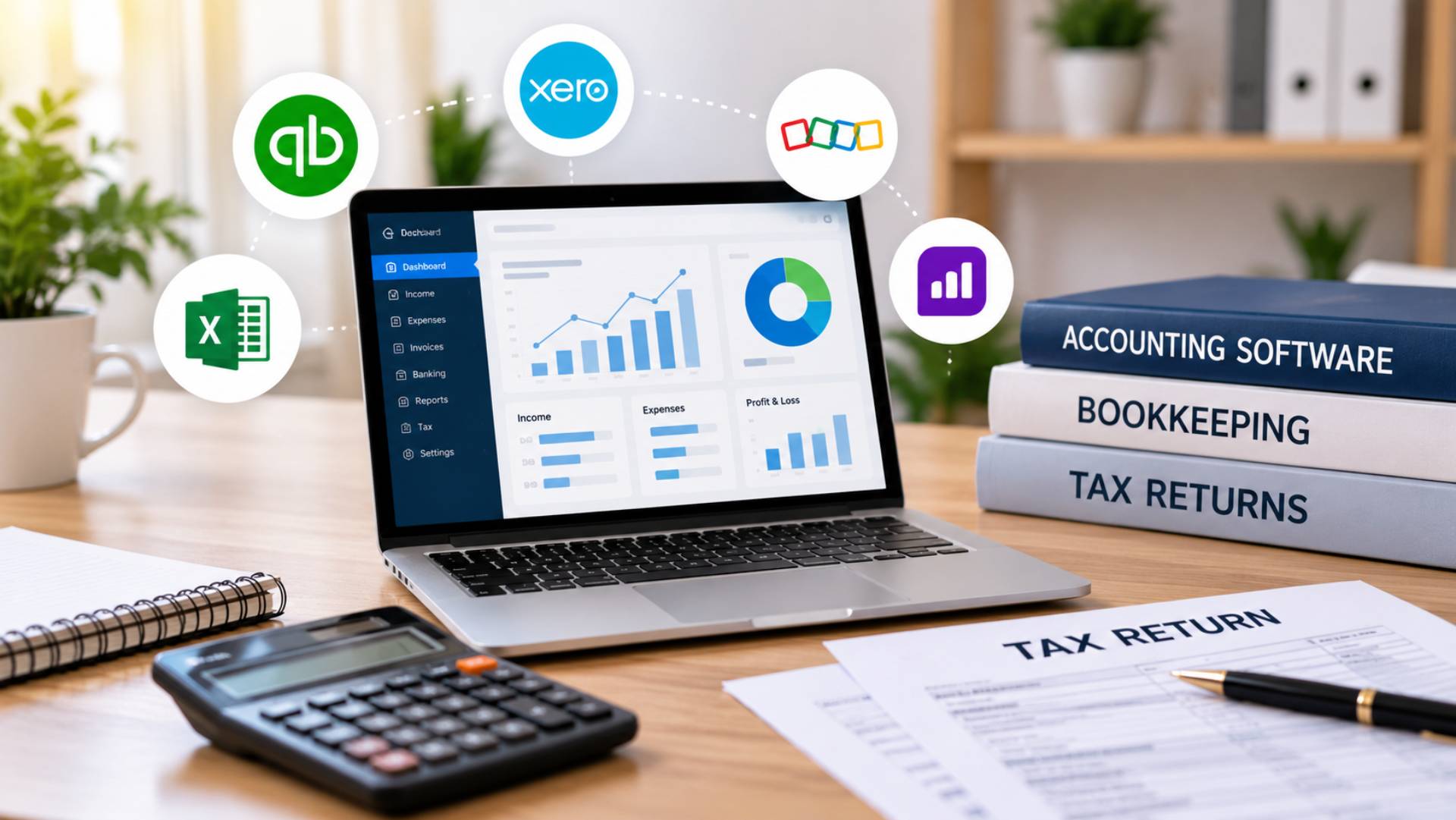
Once you are running a business, the tool in question is really bookkeeping and accounting software that keeps your records through the year and produces the figures your return is built from, rather than a lodgment button. In Australia the market is led by three names: Xero, MYOB, and QuickBooks Online, with Reckon a well-established alternative. All of them handle the core jobs a business needs, income and expenses, bank feeds, invoicing, GST and BAS, and payroll, and all are cloud-based so your accountant can log in to the same data.
The practical truth is that the best of these for you is largely the one that suits how you work and what your accountant supports. Xero is widely used and popular for its interface and ecosystem; MYOB has deep roots in Australian business and strong payroll; QuickBooks Online is often competitively priced and capable; Reckon suits some smaller operators. Rather than chase a single winner, the better question is which one your accountant works in and recommends, because software you and your accountant share makes the whole year, and the return, far smoother. Good software also keeps the records the ATO expects, which our guide on what records a sole trader must keep sets out.
What the software actually does for your return
It helps to be clear about what accounting software contributes to a tax return, because that shapes which tool is worth paying for. For a business, the software does not usually lodge the income tax return itself; what it does is keep your transactions organised all year so that, at tax time, the income and expense figures are already reconciled and ready. That is where most of the value sits: clean, complete records that make the return accurate and quick to prepare, rather than a scramble through receipts in October. The software earns its keep in the eleven months before the return, not in the lodgment itself.
This is why the best tool for your return is often whatever keeps your books cleanest through the year. A business on well-maintained Xero, MYOB, or QuickBooks hands its accountant a tidy set of figures; a business with no system hands over a shoebox. Our guide on what your accountant needs for your business tax return shows how much easier good software makes that handover.
If an accountant lodges for you, their software is the one that counts
For a lot of people, especially those with a business or any complexity, the return is prepared and lodged by a registered tax agent, who uses professional tax software most individuals never see, products built for agents that connect directly to the ATO’s lodgment systems. In that case, the consumer accounting tools above matter only for keeping your own records; the actual return is handled in the agent’s professional system. So if you use an accountant, you do not need to buy tax lodgment software at all. You keep your records in something like Xero or MYOB, or just keep them well, and the accountant does the rest in their own tools.
This is worth knowing because the search for the top tax tool sometimes ends with the realisation that the most effective tool is a good accountant. For a simple salary return, myTax and no accountant is fine. For a business or anything involved, the combination of solid bookkeeping software plus a registered agent usually beats any software alone, because the software organises the data and the agent applies the judgment.
So which should you choose?
Match the tool to your situation. If you are an individual with a simple return, use myTax; it is free and does the job. If you run a business, choose among Xero, MYOB, and QuickBooks based on fit, price, and, importantly, what your accountant supports, and focus on keeping the books clean rather than finding a mythical best product. If your affairs are at all complex, the highest-value tool is a registered tax agent who lodges in professional software and keeps you compliant, with your own bookkeeping software feeding them clean data.